 Reviews

 Proudly American

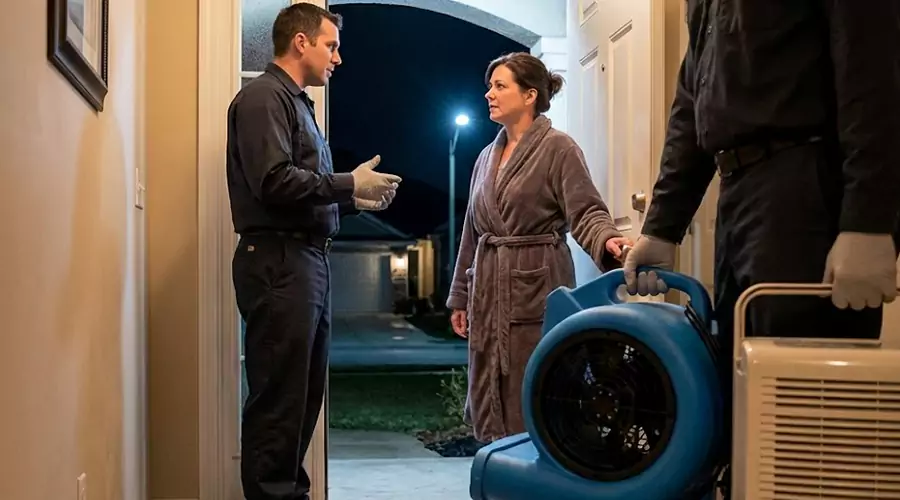
Water damage restoration cost can vary widely based on the condition of the property and the type of work required. A small cleanup from a minor leak will cost far less than a large restoration project involving contaminated water, structural drying, material removal, and rebuilding. In many cases, the total cost also depends on whether the job stops at water extraction and drying or moves into full repair and reconstruction.
This guide explains the average cost of water damage restoration, what affects pricing, and what homeowners can expect from a professional restoration estimate.
Average Water Damage Restoration Cost
Water damage restoration cost usually falls within a wide range because every loss is different. Current pricing references show that many homeowners spend about $3,900 on average, with smaller jobs starting around $400 and more extensive projects reaching $15,000 or more.
Professional pricing often rises when the affected area is larger, the materials are harder to dry, or the water is contaminated. Water damage basic repair costs at roughly $3.50 to $7.50 per square foot, which helps explain why a minor leak cleanup costs far less than a major basement flood or sewage-related restoration project.
What Affects Water Damage Restoration Cost?
Water damage restoration cost depends on contamination level, saturation depth, affected materials, location of the loss, emergency timing, equipment needs, demolition scope, and mold risk. Each factor changes labor, safety steps, drying time, and the overall estimate.
Category of Water Damage
The category of water damage matters because contamination changes protective gear, cleaning methods, and disposal rules. Restoration professionals use the ANSI/IICRC S500 framework to classify water losses, helping define the proper scope, sanitation steps, and safety precautions for each job.
Class and Severity of Damage
Deeper saturation costs more. Soaked drywall, insulation, subfloors, and framing often require longer drying, more demolition, and a broader repair scope than light surface damage.
Size of the Affected Area
A small bathroom leak usually costs far less than a flooded basement or multi-room loss. Larger affected areas demand more labor, equipment, and monitoring time.
Material Type
Different materials affect pricing because carpet, hardwood, drywall, insulation, cabinets, and subflooring dry at different rates and may need specialized treatment.
Room or Area of the Home
Spaces like kitchens, crawl spaces, and attics vary in price because access, moisture spread, hidden cavities, and fixture density can make inspection, drying, and repairs more difficult.
Emergency Service Timing
After-hours response, weekend calls, and holiday service can increase total cost.
Equipment and Drying Time
Professional drying costs rise when crews need air movers, dehumidifiers, moisture mapping, and daily monitoring visits to verify progress and prevent hidden moisture.
Demolition and Debris Removal
Removal costs increase when wet drywall, damaged insulation, ruined flooring, and unsalvageable materials may be torn out, bagged, carried away, and disposed of safely before drying and repairs continue.
Mold Growth and Sanitization
Once materials stay wet too long, mold can add major cost through containment, removal, and sanitization. EPA and FEMA stress drying within 24 to 48 hours when possible.
Water Damage Restoration Cost by Type of Damage
Water damage restoration cost rises with the severity of the loss because minor leaks need limited drying, while major flooding demands broader cleanup, demolition, and repairs.
Minor Leak Damage
Minor leak damage usually has the lowest water damage restoration cost because the issue is caught early, the affected area stays small, and cleanup often involves light extraction, targeted drying, and minor material removal.
Moderate Water Damage
Moderate water damage increases water damage restoration cost because soaked drywall, flooring, baseboards, and nearby contents often require deeper drying, selective tear-out, cleaning, and a more detailed restoration process across multiple affected materials.
Major Flood Damage
Major flood damage carries the highest water damage restoration cost because it often requires large-scale extraction, sanitation, drying chambers, demolition, debris removal, and possible rebuilding when contamination, heavy saturation, or structural impact affects the property.
| Damage Type | Typical Cost | Key Factors | Common Services |
|---|---|---|---|
| Minor Leak | $1,000 - $3,500 | Small area, early detection, basic materials | Extraction, drying, minor patching |
| Moderate | $3,500 ? $12,000 | Room-sized spread, soaked contents/flooring | Dehumidification, content cleaning, demo |
| Major Flood | $12,000 - $50,000 | Large-scale, structural damage, mold risk | Full extraction, sanitation, rebuild |
Water Damage Restoration Cost by Area of Home
Water damage restoration cost changes by location inside the home because access, moisture spread, material density, and repair complexity differ between basements, bathrooms, ceilings, walls, and floors.
Basement Water Damage
Basement water damage restoration cost is often higher because standing water collects quickly, hidden moisture spreads into concrete and framing, and lower ventilation usually leads to longer drying times.
Bathroom Water Damage
Bathroom water damage restoration cost often includes overflow cleanup, burst supply line damage, wet subfloor concerns, and hidden moisture trapped behind tile, tubs, vanities, and nearby wall cavities.
Kitchen Water Damage
Kitchen water damage restoration cost can rise from dishwasher leaks, refrigerator line leaks, sink overflows, and swollen cabinets because water often spreads under flooring and behind appliances unnoticed.
Ceiling Water Damage
Ceiling water damage restoration cost depends on staining, sagging drywall, insulation saturation, and leak source. Roof leaks and upstairs plumbing failures often spread moisture across larger overhead areas.
Drywall and Insulation
Drywall and insulation damage cost increases when crews must remove wet sections, control trapped moisture, prevent hidden mold growth, and replace materials that cannot dry safely in place.
Flooring Water
Flooring water damage cost varies by material because carpet may need extraction, laminate often swells, hardwood can warp, and tile installations may hide moisture in grout, underlayment, or subfloor.
Water Damage Cost Table by Area
| Home Area | Typical Cost Range | Key Cost Drivers | Common Services |
|---|---|---|---|
| Basement | $1,500 - $10,000 | Standing water, poor airflow, foundation | Extraction, dehumidifiers, concrete seal |
| Bathroom | $500 ? $3,000 | Tile/vanity access, plumbing | Source fix, drying, mold treatment |
| Kitchen | $800 ? $4,500 | Cabinets/appliances, contents | Removal, cleaning, subfloor repair |
| Ceiling | $450 ? $2,500 | Sagging, access from above | Patch/replace, paint match |
| Drywall | $300 ? $2,500 | Tear-out extent, mold risk | Replacement, vapor barriers |
| Flooring | $400 ? $3,500 | Material type (carpet vs hardwood) | Extraction, refinish/replace |
Why Professional Drying Matters?
Professional drying matters because hidden moisture inside drywall, insulation, flooring, and framing can keep damaging the property even after visible water is gone. Fast, thorough drying helps prevent warped materials, lingering odors, structural deterioration, and mold growth that can raise restoration costs and create indoor air quality concerns.
EPA flood cleanup guidance supports drying wet areas and contents within 24 to 48 hours whenever possible, since mold can begin growing when materials stay wet too long. Proper drying also helps protect indoor air by reducing moisture that can support mold, bacteria, and other contaminants after a water loss.
Final Thoughts
Water damage restoration cost depends on how quickly the problem is found, how far the moisture spreads, and whether the job stops at drying or moves into full repairs. Early action usually keeps the scope smaller, lowers the chance of mold, and helps protect both the property and indoor air quality.